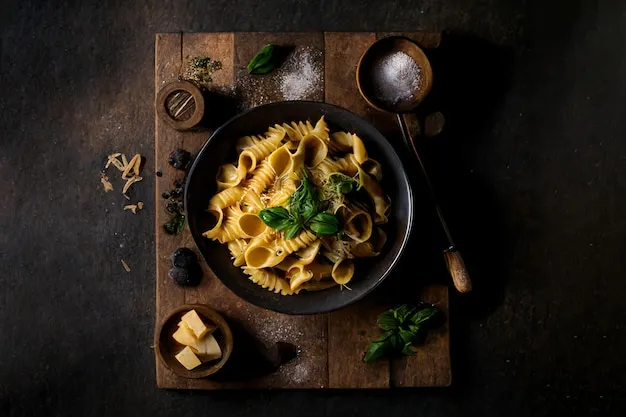
Authentic Italian pasta is not about complicated recipes or hard-to-find ingredients. It is about simplicity, quality, and technique. The Best Authentic Italian Pasta Recipes rely on a few core principles: using the right ingredients like Pecorino Romano and guanciale, mastering the mantecatura (finishing pasta in the pan with starchy water), and understanding the bond between pasta shapes and their sauces.
From the creamy, egg-based Spaghetti Carbonara to the slow-simmered Tagliatelle al Ragù, these dishes are rooted in cucina povera—the art of making incredible meals from humble components. This guide will walk you through the essential techniques and recipes you need to bring the true taste of Italy into your home kitchen.
I remember the first time I truly tasted Italy. It was not in a fancy restaurant, but in a small, sun-drenched kitchen in Tuscany. My friend's grandmother, Nonna Rosa, was making pasta. She did not use a measuring cup. She used her hands, her eyes, and her heart.
In that moment, I learned that the Best Authentic Italian Pasta Recipes are not about being fancy. They are about love, simplicity, and a few perfect ingredients. Today, I am going to share those secrets with you. Forget everything you think you know about complicated Italian food. We are going back to the basics, and I promise you, it is easier than you think.
My Journey into the Heart of Italian Cooking
Italian pasta had become my love affair and the beginning of the affair was made by the cookbook, but it was only after I began to listen to the experts. Individuals such as the great Antonio Carluccio who never failed to state that the secret was in the ingredients.
Or Giada De Laurentiis, the lady who showed America how Italian food can be both classy and affordable simultaneously. They unanimously agree on one point that you do not require a kitchen full of gadgets. It takes time, to be respectful to the food and having some good friends to share it with.
Why "Authentic" Matters More Than "Fancy"
The cucina povera, meaning poor food, is a concept in Italy. But do not fool yourself by its name. Here is part of the finest stuff you are going to eat. It is an art of creating something extraordinary out of near nothing. Consider such a simple meal as Cacio e Pepe.
It contains nothing more than cheese, pepper, and water of pasta. But make it right and it is like magic. That is what true cooking is all about. It has nothing to do with costly ingredients, so much as making the ingredients one has sing.
Understanding the Soul of the Dish: Ingredients and Technique
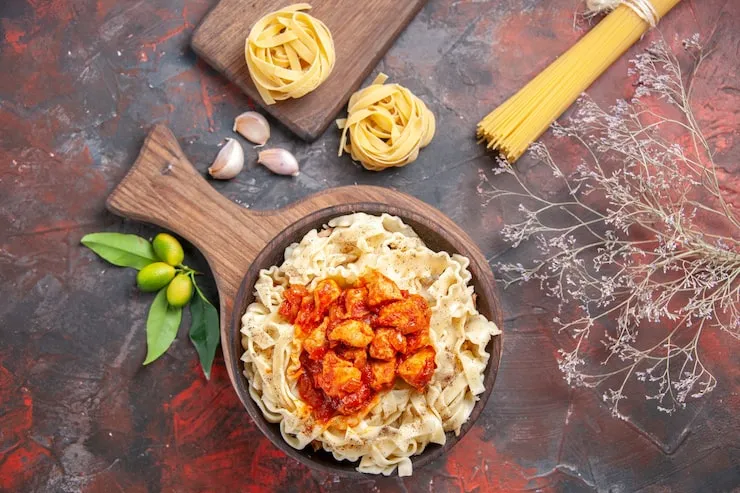
We have not yet boiled water, and then the two things which make the difference between a good pasta and an authentic pasta, which is the ingredients and the technique. The Italian cooking science is a tradition which is founded on a thousand years, and knowing these premises will make a difference in your cooking forever.
Mastering the "Mantecatura" Technique
That is the Italian fancy word of the most essential step: completing the pasta in the pan . You do not simply pour sauce on pasta. Actually, when that happens in an Italian house, it is likely that the nonna would be corrected by the nonna! You instead cook the pasta a minute shorter than recommended on the box.
This is referred to as al dente meaning to the tooth and this should contain small white speck when biting it. Then put in the pasta with the tongs or a spider strainer and place it in the pan with the sauce. A splash of that paste-like reserved pasta water is added, and everything is mixed up and cooked at high temperature.
The water contains starch which allows the sauce to become creamy and emulsify itself, clinging to each and every bite of pasta like a warm delicious blanket. This is the magic of the restaurant that can change everything.
You may also read :- Expert Hacks to Grow Your Own Veggie Garden at Home
4 of the Best Authentic Italian Pasta Recipes You Must Try
Alright, let's get cooking! These are the recipes that are of grandmother level. They are those which I prepare in my personal kitchen whenever I feel like back in Italy.
Recipe 1: Simple Spaghetti Carbonara (The Roman Classic)
It is the one that frightens people, yet it is not supposed to. It is the final cucina povera, the product of poor food that was available to shepherds and farmers in the suburban areas of Rome.
The Right Ingredients for an Authentic Carbonara
First, forget the cream. Carbonara never contains cream made by real Romans. And cream in a recipe, flee away! You will need:
- Spaghetti (or rigatoni is also a great substitute). Its form is conformable, though it is not its content.
- Guanciale (cured pork cheek) or a nice pancetta. This is the salt, savoury centre of the meal. Guanciale tastes more porky than pancetta and it literally melts in the mouth.
- Fresh eggs. The best you can find. You must have the fat, orange yolks to that gorgeous colour.
- A large bowl of Pecorino Romano cheese grated. It is crisp and salty and exquisite. Parmesan will not work here, as it is too soft.
- A lot of freshly ground black pepper.
My Step-by-Step Guide to Creamy, No-Scramble Success
- Place a large pot of water on to the boil. Salt it like the sea When it boils. Do not be shy!
- Guanciale This should be cooked in a pan until crispy and the fat rendered. Switch off the heat lest it burns.
- Whisk the eggs in most of the cheese in a bowl and the ton of black pepper. Stir it until it resembles a thick paste.
- Cook your spaghetti. Before it is done, take a cup of that liquid gold (pasta water).
- In the pan with the guanciale drain the pasta. Toss it to get impregnated in that tasty fat.
- Here is the trick now, remove the pan to the heat! Pour ricey mixture of eggs then toss, toss, toss! Add drops of pasta water until creamy sauce is achieved. The pasta boils the eggs and the eggs do not scramble, forming a creamy layer around the egg.
- Serve immediately with additional cheese and pepper. Eat it now, it will be congealed!
Recipe 2: Hearty Tagliatelle al Ragù (Bolognese Sauce)
It is no spaghetti with meat sauce. It is a Bologne labor of love, slowly-cooked. And it is so worth the wait. The formal recipe is enlisted in the Bologna Chamber of Commerce, and you can be sure that it is serious.
Building Flavor Layer by Layer
The trick of a great ragù is patience. You are adding up flavor, bit by bit.
- Begin with a soffritto: chopped fine onion, carrot and celery cooked slowly in olive oil until soft and sweet. This takes about 10 minutes.
- Then, add your ground meat. In Italy, usually it is a combination of beef and pork so that it tastes even better.
- Then there follows a splash of wine. Allow it to simmer away and scrape down all the delicious browned bits of the bottom of the pot. That is pure flavor!
- Add tomato paste or some crushed tomatoes lastly and simmer at the least two hours, or four, best. The more time it is cooked, the better it is. Finally add a little milk to make it rounded.
Why Fresh Egg Pasta is the Perfect Partner
A serious ragù must have heavy pasta. Tagliatelle, long straight ribbons of pasta made of eggs, are the best bet. They were created in the period of renaissance to suit the richness of the Bolognese sauce. Good quality dried egg pasta can be purchased or one can make it oneself with flour and eggs only.
The coarse porous texture of fresh pasta clings to the sauce in a manner that dry pasta can never do. Every bite you take you have meat and pasta in every bite.
Recipe 3: Cheesy Pasta alla Scarpariello (The Shoemaker's Pasta)
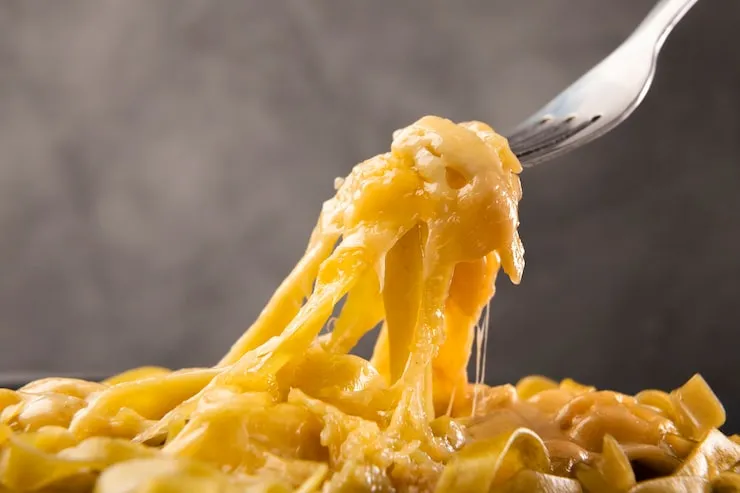
This is a recipe of Naples, and I like the story of it. It is called after the shoemakers (scarpari) who would prepare this fast and nutritious meal with the remaining ends of cheese they still had at the end of the working day. It is an entree of ingenuity and cheerfulness.
The Magic of Tomato and Cheese
This is a meal that demonstrates that less is more. It has a light tomato sauce that becomes unbelievably creamy without the use of cream, but with the help of cheese and pasta water.
- You put some cherry tomatoes cooked tenderly with garlic and basil till they pop and spurt their juices out.
- You boil your pasta. The traditional solution in this case would be paccheri, large and wide tubes, since the sauce is placed inside the tube where it bursts in your mouth.
- Then comes the magic. You remove the pan off-the-stove and mix that hot pasta with a lot of grated Pecorino Romano and that pasta water you have left. The mantecatura! It forms a smooth, pink, creamy sauce, that will make your mind explode. The water starch forms the cheese and tomato juice into an emulsion.
Recipe 4: Pasta alla Vesuviana (A Taste of the Volcano)
It is the dish born of the shadow of Mount Vesuvius, as full of the gay flavors of Southern Italy. It is a glorification of the sunny, volcanic soil of the region and the amazing produce that grows in the region.
Bringing the Bold Flavors of Campania Home
This is an explosion of a meal. Think of the salty flavor of olives and capers, the sweetness of tomatoes cultivated on fertile volcanic soil, a touch of chili pepper and finally, at the very very end, portions of creamy mozzarella which only begins melting.
- The next step is to saute some onion and chili in olive oil. The chili does not add a lot of heat, but a warmness.
- Add tomatoes crushed, olives and capers and simmer. Gaeta olives are preferable in case you can get them; they are small and taste good.
- Add your cooked pasta, usually vermicelli or fusilade. The twirlings take the little bits.
- The last step: remove the heat and add diced mozzarella. The pasta is tender and it is very addictive. The best melt is done using fior di latte (cow mozzarella). It is a real Neapolitan specialty.
Expert Tips for Pasta Perfection Every Time
It is during the years of my cooking that I have learned a number of things and by observing the masters. Let me share them with you.
Salting the Water Like the Sea
This is rule number one. Your pasta water must have the flavor of the sea. Why? Since in the course of cooking the pasta absorbs the water. Unless there is salt in the water, the pasta itself will be one-dimensional and that cannot be corrected by adding salt to the sauce afterward.
Once the water is boiling add approximately 1 to 1.5 tablespoons of coarse salt to the pasta. Wait until it is boiled so that the salt does not soak on the bottom and dissolves fast.
Why You Should Never Add Oil to the Water
I have witnessed people do this very often and it infuriates the true Italians! When the water is added with oil, it does not prevent sticking of the pasta. What it does is to cover the pasta in a slick surface of oil, and this way does not allow your delicious sauce to stick to it.
In order to prevent adhering, it is only necessary to stir the pasta so vigorously during the initial minutes or two of cooking. That is all it takes. And it is the starch that comes out of the pasta into the water, and oil only washes it away.
The Importance of High-Quality Canned Tomatoes
Tomato sauce is the base of many Italian sauces, and therefore, canning of tomatoes is vital. Find San Marzano tomatoes which are grown in fertile soil around the Mount Vesuvius. They are also sweeter, less acidic and richer in taste compared to the ordinary tomatoes. In that case you are unable to find those, any high-quality Italian full peeled tomatoes will do wonders.
Conclusion: It is About Sharing, Not Perfection
The preparation of Italian cuisine is an affair of happiness and generosity as did Antonio Carluccio. It is not necessary to be so concerned that you cannot roll your pasta perfectly or your sauce is somewhat rustic. Love is the most valuable ingredient that you cook with.
Therefore, invite your family, take a glass of good wine, and mess up the kitchen. Bring forward that pasta, and sprinkle it with the cheese, and you will come to a dinner which you made with your own hands. That is the secret of the Best Authentic Italian Pasta Recipes, my friends. Now, go make some magic!
Frequently Asked Questions About Authentic Italian Pasta
What is the rule of thumb in preparing pasta?
Previously heated pasta water should be reserved and not drained! It is the binding glue to your sauce and pasta and it makes a silky, restaurant-quality finish to your water. It offers the most significant tip of authentic results. It will make your sauce thin and runny rather than adhering to the pasta.
What is "cucina povera"?
It is the Italian peasant tradition of cooking. It is about preparing amazingly tasting and satisfying food using simple and humble ingredients and at low costs. Pasta alla Scarpariello and Spaghetti Carbonara are some of the best examples of dishes. It is a zero-waste philosophy and all-maximum-flavour philosophy.
What should I do when I cannot find bacon in case I do not see pancetta or guanciale?
Yes, in a pinch, you can. Nevertheless, guanciale (cured pork cheek) and pancetta (cured pork belly) have a distinct taste and texture that make them central to such traditional dishes as Carbonara and Amatriciana. Bacon of good quality will be working, only it will have a slightly different taste (smokier) since bacon is smoked, whereas guanciale and pancetta are not.
Am I required to have a pasta machine in order to prepare fresh pasta?
Not at all! It is true that a machine is enjoyable but most of the traditional pastas are being made manually. A basic rolling pin can be used to roll out the dough, and such shapes as orecchiette (little ears) or cavatelli are created by pressing small pieces of dough against a wooden board or even your finger. It is an entertaining game to play with children.
What is the distinction between the Northern and Southern Italian pasta?
In the North the soft wheat flour and eggs are commonly used in the making of pasta and this produces the rich golden noodles such as tagliatelle and pappardelle. This is due to the fact that the North has greater dairy farming and cooler climate.
In the South, the climate suits hard durum wheat and thus pasta is made using the only durum wheat flour and water (semolina), which drys without problems and forms strong, chewy pasta strands such as spaghetti and orecchiette.