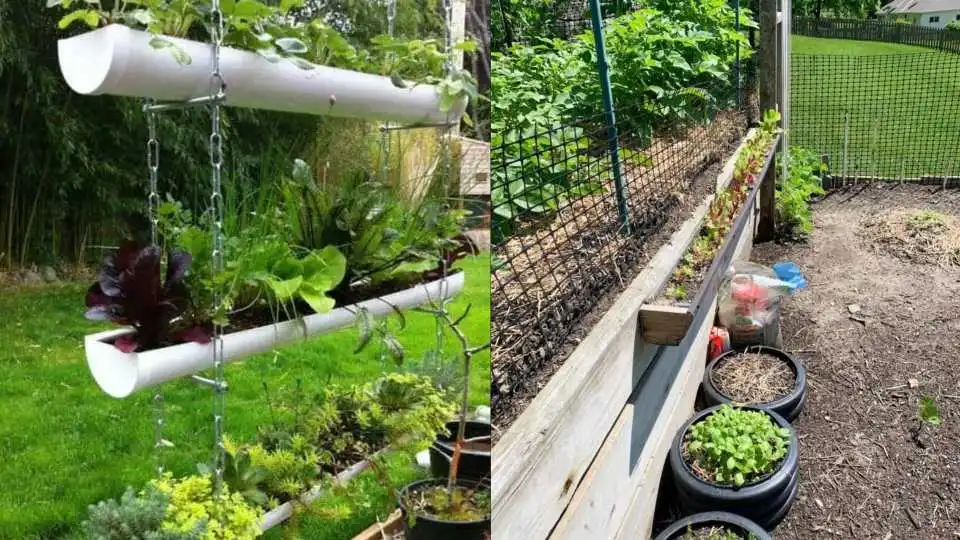
You have old rain gutters. They are lying in the backyard. You took them off the house last year. Do not throw them away. You can turn those gutters into something useful for your garden.
This is called repurposing. You take one thing and give it a new job. Rain gutters are long. They are narrow. They are hollow. That makes them perfect for growing plants. Especially small plants.
I will show you how to do this from start to finish. You do not need fancy tools. You do not need a big budget. You just need a few hours and a place to hang the repurpose rain gutters for gardening.
Why Use Gutters For Growing Plants?
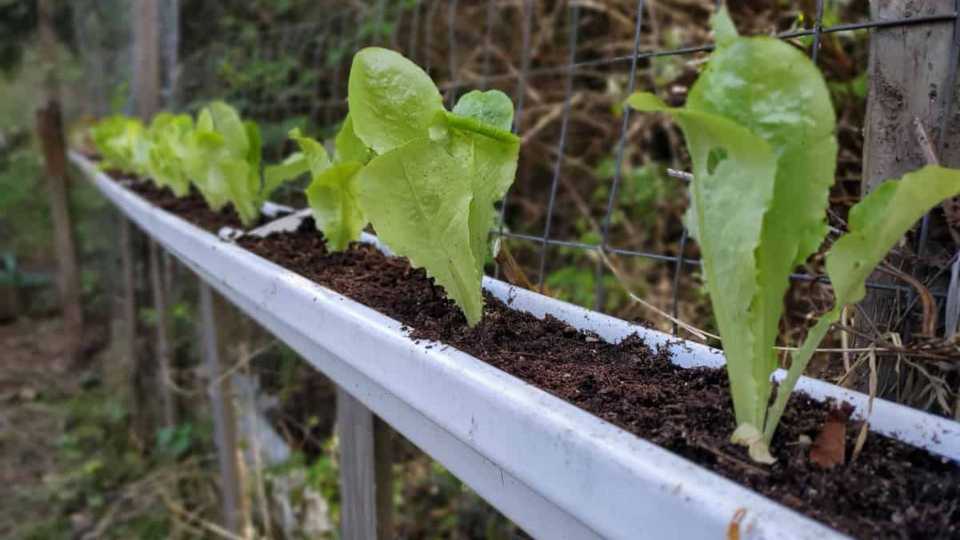
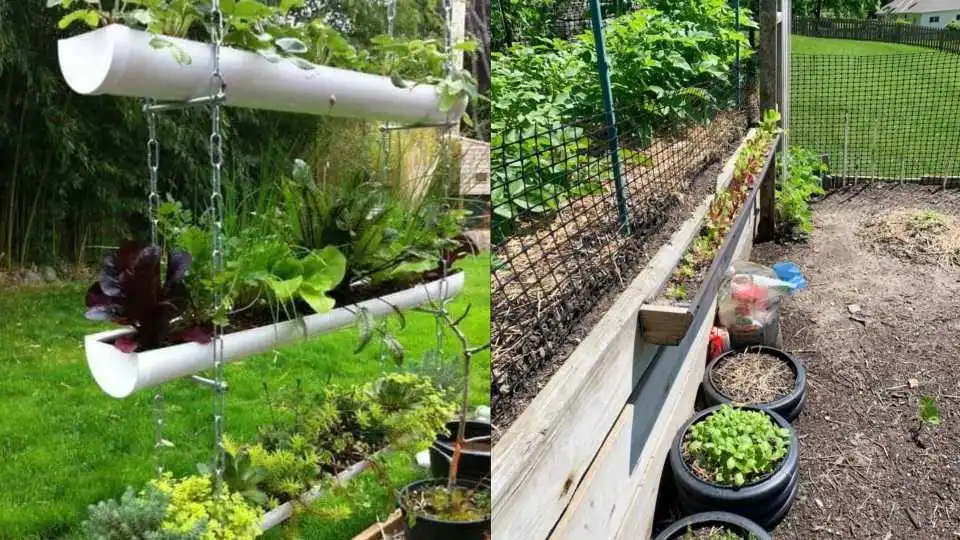
Gutters save space. If you have a small balcony or a tiny yard, gutters let you grow up instead of out. You hang them on a wall or a fence. The plants grow sideways from the wall. They do not take floor space.
Gutters are cheap. New planters cost money. A long plastic pot can cost twenty dollars. A rain gutter costs less. You can even get used gutters for free from a neighbor or a demolition site.
Gutters drain water well. Plants do not like sitting in water. Their roots rot. Gutters have a shape that lets extra water run out the ends. You will also drill small holes in the bottom for more drainage.
Gutters let you see the plants easily. When gutters are at waist level, you do not bend down. Your back stays happy. You can check your herbs or flowers without kneeling in the mud.
Read Also: Repurpose Wooden Pallets For Beginners
What You Need For This Project?
Get these things before you start.
- One piece of rain gutter. Any length works. Five feet is good for a first try. Get the vinyl kind if you can. Vinyl is light. Vinyl is easy to cut. Metal gutters work too but they are harder to drill.
- Two gutter end caps. These close the ends so soil stays inside.
- A drill with a small drill bit. The bit should be one quarter inch or smaller.
- A saw. A hacksaw works best. A regular wood saw works on vinyl gutters too.
- A measuring tape.
- A pencil.
Brackets or hooks to hold the gutter on the wall. The gutter needs to sit level. Brackets made for gutters work best but heavy duty shelf brackets also work.
Potting soil. Do not use dirt from your yard. Yard dirt is too heavy. It clumps up. It does not drain.
Small plants or seeds. Pick plants with small roots. Good choices are lettuce, spinach, radish, chives, basil, mint, and small flowers like marigolds.
Step One Cut The Gutter To Size
Look at your wall or fence. Decide how long you want the gutter to be. Leave one extra foot on each side if you can. That gives you room to hold the ends.
Mark the gutter with your pencil at the length you want.
Use your saw to cut the gutter. Cut slowly. Let the saw do the work. If you push too hard, the vinyl cracks. For a metal gutter, go slow and wear gloves. Metal edges are sharp.
After cutting, look at the cut edge. Is it rough? Use sandpaper or a file to smooth it. You do not want to cut your hand later.
Step Two Drill Drainage Holes
Turn the gutter upside down. You will drill holes in the bottom. The bottom is the part that will sit lowest when the gutter is hanging.
Drill one hole every six inches along the whole bottom. Put the holes in a straight line down the middle. If your gutter is wide, drill two lines of holes. One line on each side of the middle.
Why do this? Water from rain or your watering can needs to leave the gutter. If water stays, the roots rot. The holes let extra water drip out.
Do not make the holes too big. A quarter inch is enough. Big holes let soil fall out.
Step Three Attach The End Caps
Put the end caps on each end of the gutter. Some caps snap on. Some need screws. Read the package that came with your caps.
If the caps are loose, use waterproof glue made for gutters. Put glue inside the cap. Push the cap onto the gutter. Hold it for thirty seconds.
Let the glue dry for the time written on the bottle. Usually two hours.
Now your gutter is a closed tube with holes in the bottom.
Step Four Mount The Gutter On The Wall
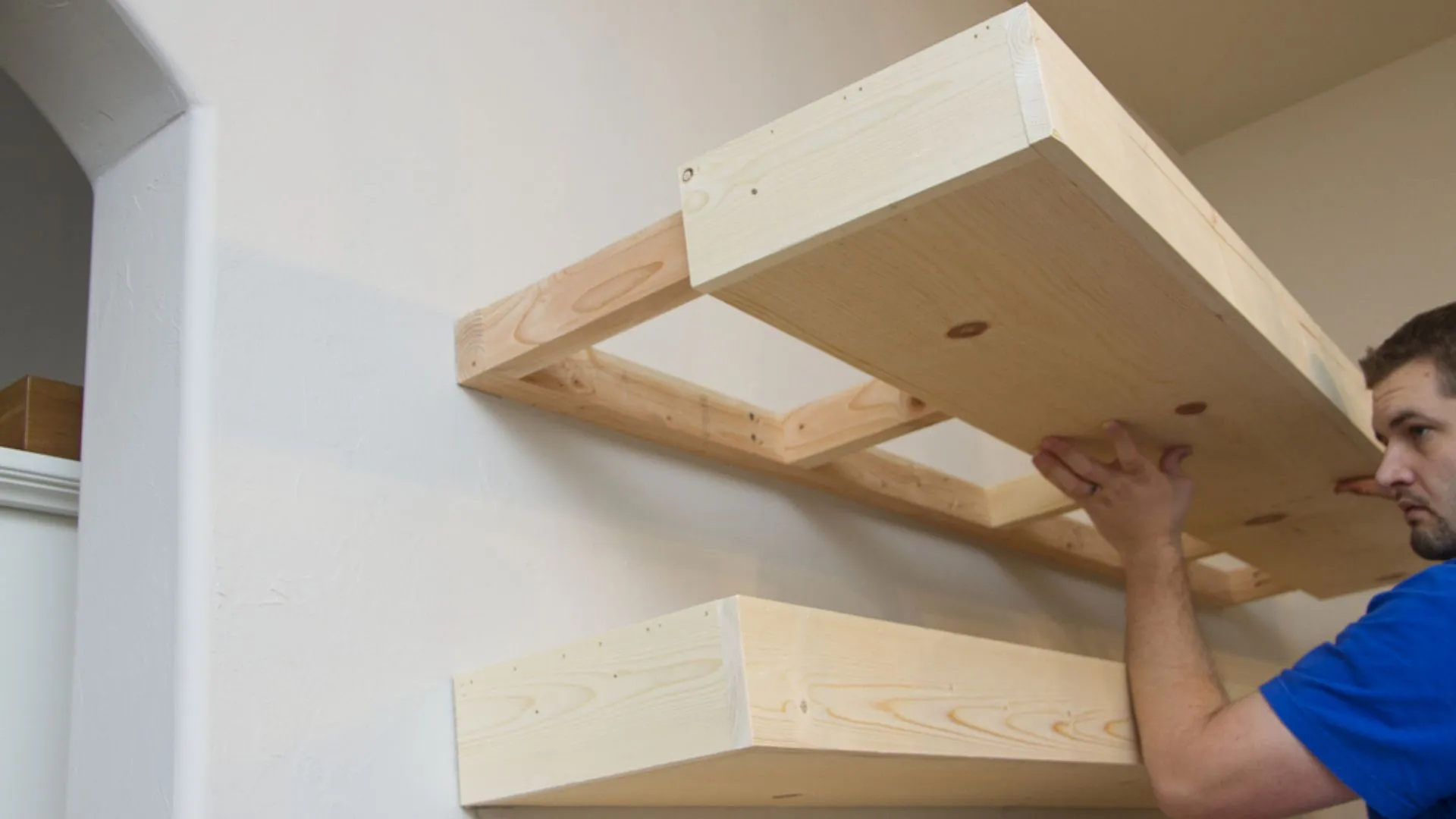
Hold the gutter against your wall or fence. Have a friend help. Mark where the brackets will go.
Most gutters need a bracket every two feet. So for a six foot gutter, you need three brackets. One near each end and one in the middle.
Screw the brackets into the wall. Use wall anchors if your wall is made of brick or concrete. For a wood fence, long wood screws work fine.
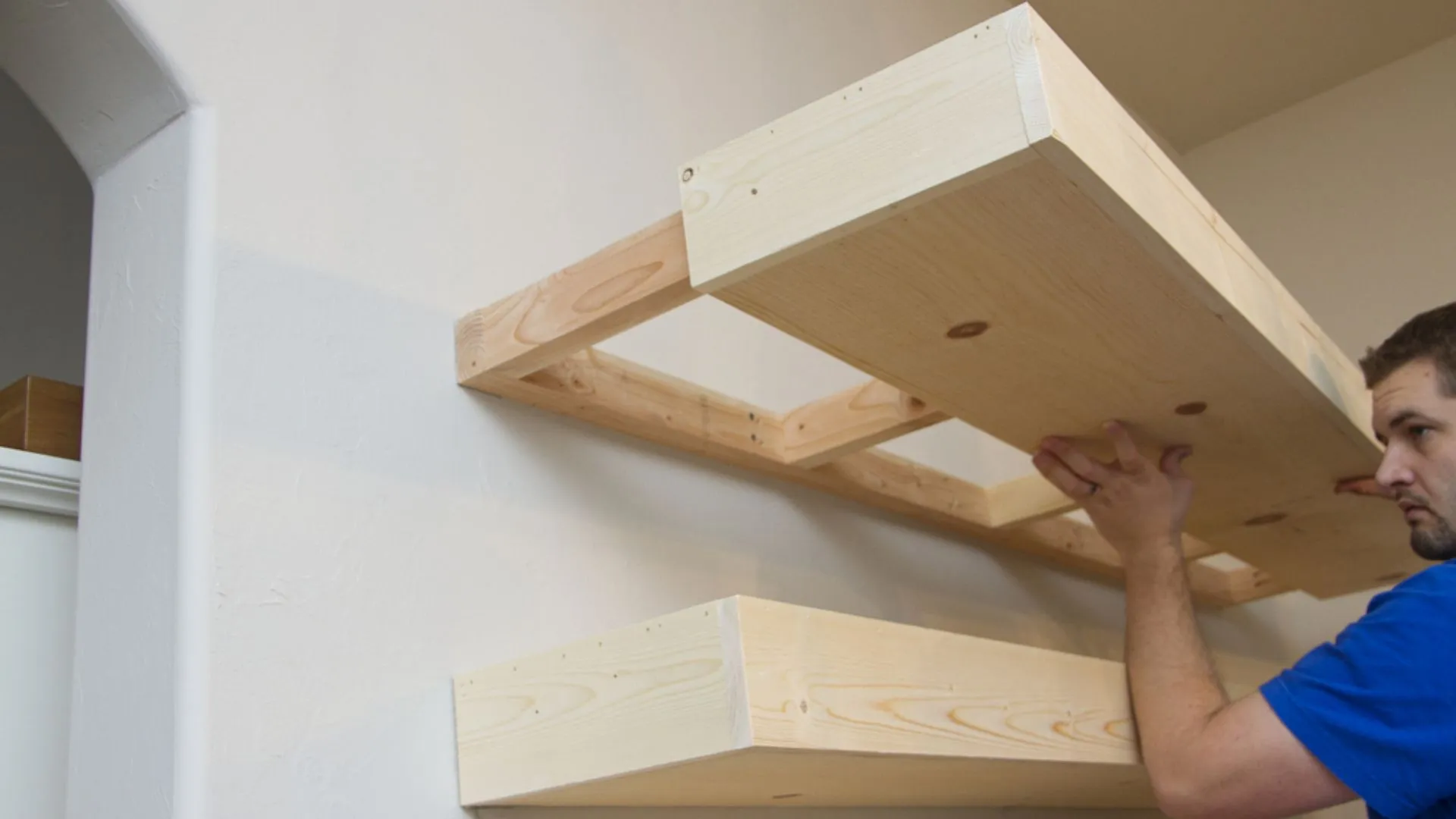
Set the gutter into the brackets. Make sure the gutter does not wobble. The bottom of the gutter should be level. Use a bubble level to check. A crooked gutter makes soil slide to one side.
The gutter needs a very small slant toward one end. A slant of one inch over ten feet is good. This slant helps water move slowly to the low end and out the holes.
Step Five Add Soil
Fill the gutter with potting soil. Do not pack it down hard. Soil should feel fluffy. Fill the gutter almost to the top. Leave about one half inch of space below the rim.
Wet the soil lightly with a spray bottle. This settles the soil. Add a little more soil if the level drops.
Step Six Plant Your Seeds Or Seedlings
If you have small plants already growing, make a small hole in the soil. Put the plant in the hole. Push soil around the plant base. Space each plant about six inches apart.
If you have seeds, sprinkle them on top of the soil. Cover them with a thin layer of soil. Look at the seed packet to know how deep to plant each seed.
For lettuce and radish seeds, just push them one quarter inch down.
After planting, water gently. Use a watering can with a rose head. A strong spray will wash the seeds out.
What Plants Grow Best In Gutters?
- Not every plant likes a gutter. The soil is shallow. The roots cannot go deep. Here are plants that do well.
- Lettuce grows fast. It has short roots. You can pick leaves many times.
- Spinach likes cool weather. It fits well in a narrow space.
- Radish grows in thirty days. The root is small. It does not need deep soil.
- Basil loves sun. It smells good. You can pick leaves all summer.
- Mint grows like crazy. Mint is perfect for a gutter because it cannot escape into your yard. Mint in a gutter stays where you put it.
- Chives are skinny and tall. They look nice and you can cut them for cooking.
- Marigolds have small roots. They bloom bright orange and yellow. They keep some bugs away.
- Strawberries do well but only small kinds. Look for alpine strawberries. They are tiny and sweet.
- Do not plant tomatoes. Do not plant carrots. Do not plant potatoes. Their roots need deep soil.
How To Water Your Gutter Garden?
Gutters dry out fast. The soil is shallow. The sun heats the gutter from the outside. You may need to water every day in summer. Check the soil with your finger. Push your finger one inch into the soil. If it feels dry, water. If it feels wet, wait. Water slowly. Pour water at one end of the gutter. Let it run down the length. Stop when water drips from the bottom holes. A drip system is best. You can buy a small drip hose. Lay it inside the gutter on top of the soil. Turn it on for five minutes each repurpose rain gutters for gardening.
How To Feed Your Plants?
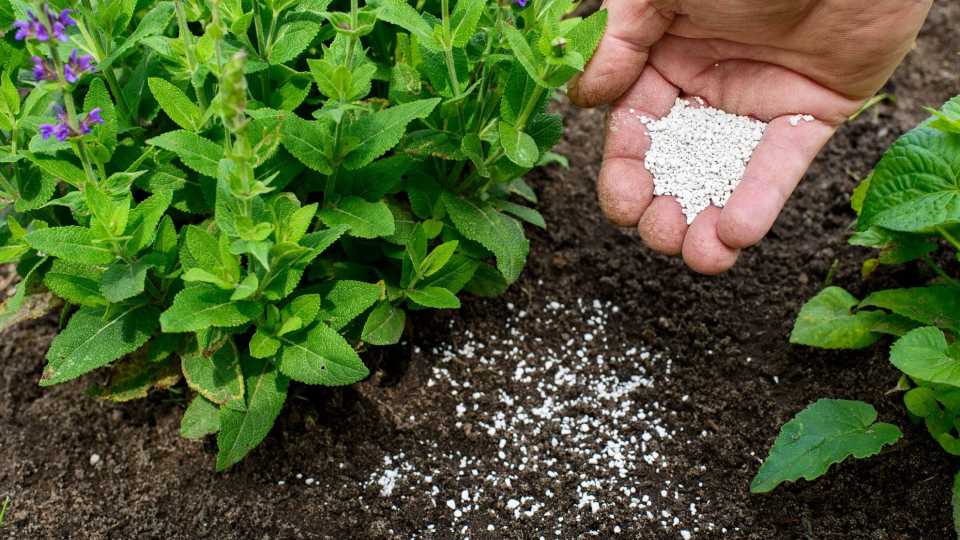
Soil in a gutter loses food fast. Plants eat the food. Water washes food out the bottom holes. You need to add food every two weeks. Use liquid plant food. Mix it with water as the bottle says. Pour it into the gutter like you pour water. Do not use too much. More food is not better. Too much food burns the roots.
You May Also Like: 13 Unique Halloween Craft Ideas for Spooky-Chic Decorations
Problems And How To Fix Them
Problem : Water pools in one spot.
Fix : Your gutter is not slanted enough. Unscrew the brackets on the low side. Move them down one quarter inch. Put the gutter back.
Problem : Soil falls out the bottom holes.
Fix : Put a piece of window screen or coffee filter inside the gutter before you add soil. The screen lets water through but holds soil.
Problem : Plants look yellow.
Fix : Too much water or not enough food. Check the soil. If it is wet, water less. If it is dry, water more. If water is fine, add liquid food.
Problem : Bugs on the plants.
Fix : Look at the leaves every few days. Pick off any bugs you see. Spray the leaves with water from a spray bottle. A strong spray knocks off small bugs.
When To Start Over?
At the end of growing season, empty the gutter. Dump the old soil into your compost or yard. The old soil has no food left.
Wash the gutter with soap and water. Drill new holes if the old ones are clogged. Put on new end caps if the old ones leak.
Fill with fresh soil next spring. Your gutter is ready to go again.
A Final Look
Repurposing rain gutters is a simple way to grow food and flowers. You save money. You save space. You keep old things out of the trash. Start with one small gutter. Put it outside your kitchen door. Grow lettuce and basil. Pick them for your dinner. Once you see how easy it is, you will make more gutters. You can cover a whole fence with them. You can grow a whole salad on one wall. Do not overthink this. Cut the gutter. Drill the holes. Hang it up. Add soil and seeds. Water when dry. That is all. Your plants do not care if the gutter is old. They only care about sun, water, and soil. Give them those three things and they will grow.
FAQs
Do I need to line the inside of the gutter?
No. Soil can touch the vinyl or metal directly. But if your holes are big, put a screen inside.
Can I use metal gutters?
Yes. Metal lasts longer than vinyl. But metal is harder to drill. Metal also gets hot in the sun. Hot metal heats the soil and can hurt roots.
How much weight can the wall hold?
A six foot gutter full of wet soil weighs about forty pounds. Make sure your brackets are screwed into wood studs or solid wall anchors.
Will mosquitoes breed in the gutter?
No, if you have drainage holes. Mosquitoes need standing water. Your gutter will drip dry after each watering.
Can I paint the gutter?
Yes. Use spray paint made for plastic or metal. Paint the outside only. Do not paint inside where the plants grow.