I remember the first shelf I built. It came out crooked. The wood split when I drove in the screw. I had to start over. That was years ago. Now I want to help you avoid those same mistakes.
This guide is for someone who has never built anything before. I will not use fancy words. I will not skip steps. You will end up with a shelf that holds your books and looks like you bought it from a store.
What Makes a Shelf Float?
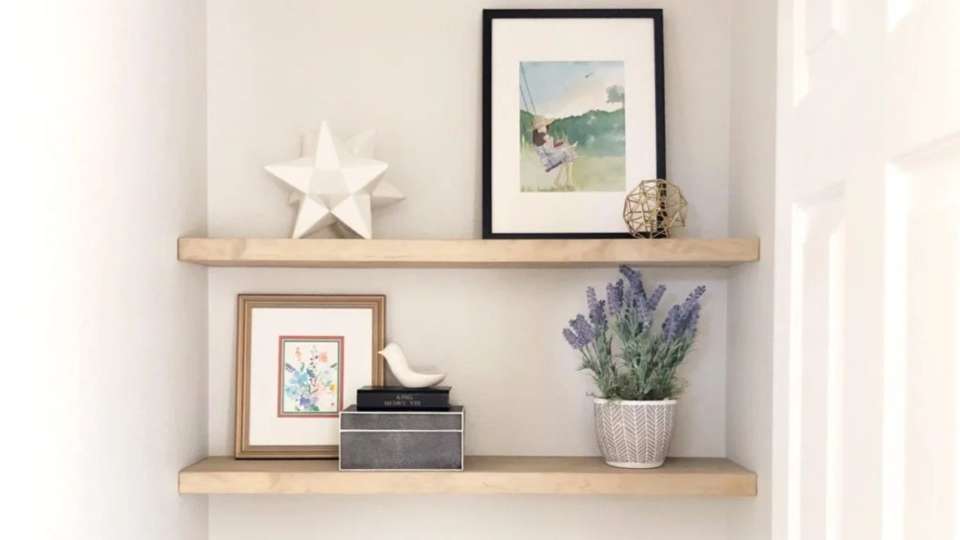
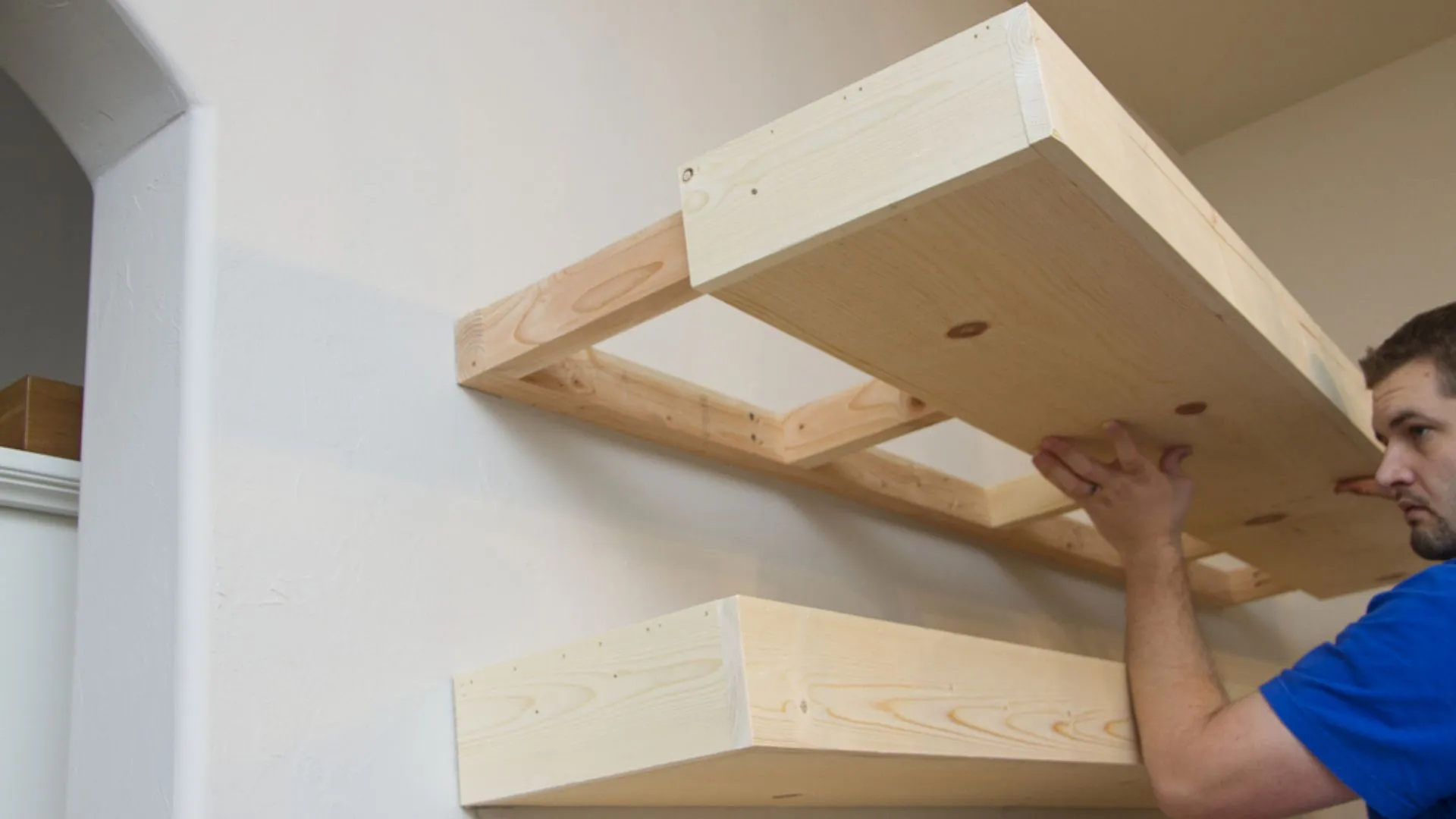
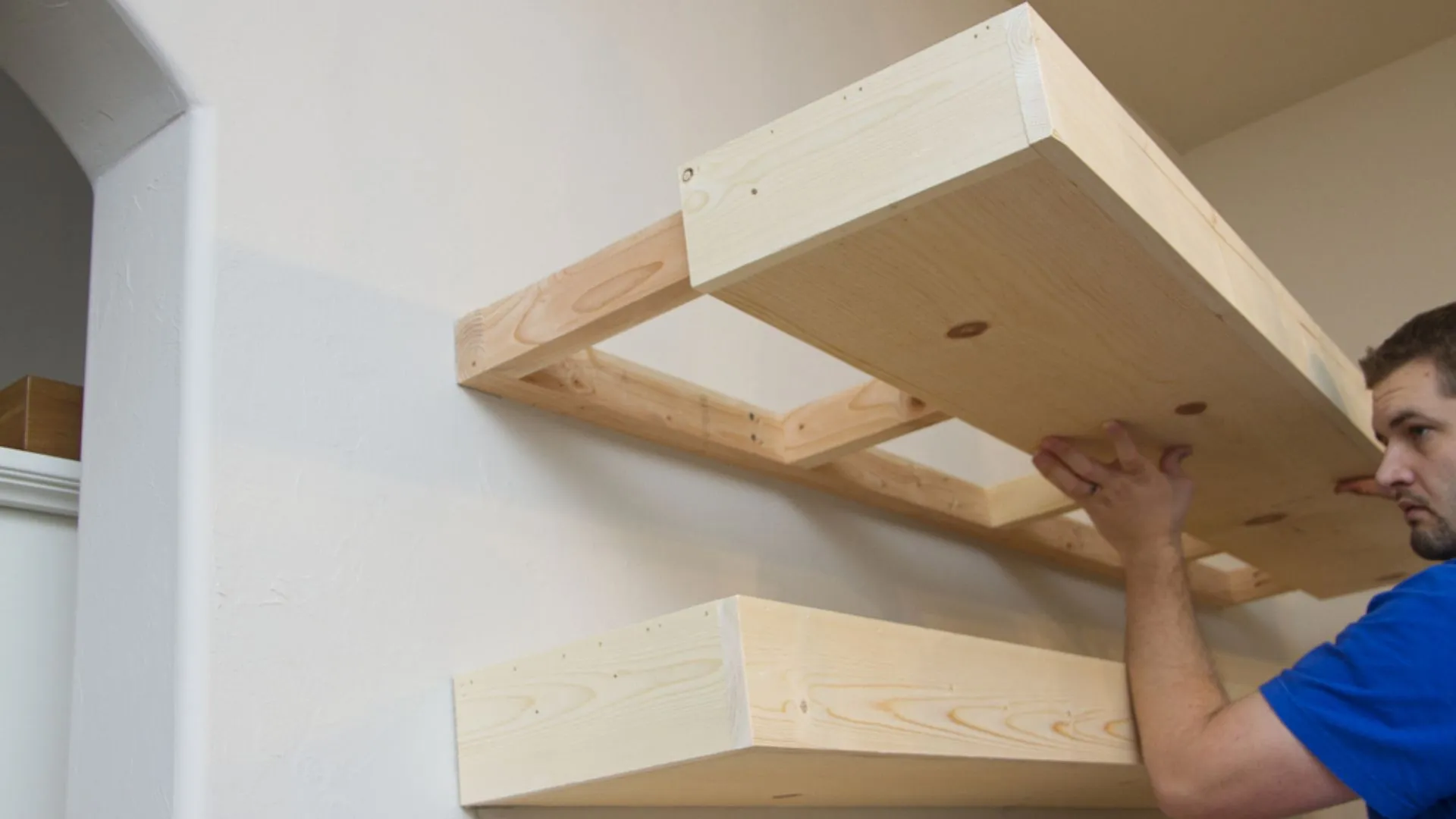
You have seen floating shelves in magazines. They look like they stick to the wall by magic. There is no magic involved. There is a hidden frame behind the shelf that holds all the weight. The outside part of the shelf slides over this frame. The frame gets screwed into the wood inside your walls. That is the diy floating shelves for beginners.
Most people think floating shelves are hard to build. They are not. They just require patience and the right steps.
The Tools You Will Need
- You do not need a workshop full of tools. You need a few basic things.
- A tape measure. Get one that is at least 25 feet long. The cheap ones from the hardware store work fine.
- A pencil. Use a carpenter's pencil or a regular one. Just make sure it is sharp.
- A level. This tool tells you if your shelf is straight. A shelf that tilts down will send your things sliding off. A shelf that tilts up looks wrong.
- A stud finder. This tool beeps when you hold it over a wood stud inside the wall. This is the tool you cannot skip. I will talk more about studs later.
- A drill. A cordless drill is best. Make sure the battery is charged before you start. Nothing stops a project faster than a dead battery.
- A saw. You need something to cut your wood. A circular saw works well. A miter saw is even better. You can also ask the hardware store to cut your wood for you. Many stores do this for free when you buy the wood from them.
- Sandpaper. Get sheets with medium grit and fine grit. The medium grit removes rough spots. The fine grit makes the wood smooth to the touch.
- Clamps. These hold your wood pieces together while the glue dries. You can buy them cheaply at any hardware store.
The Materials You Need
Wood. You need two kinds. You need a thick board for the outside of the shelf. A 1x10 or 1x12 works well. These numbers measure the width of the board. You also need 2x2 lumber for the inside frame. This is the same kind of wood used for building house walls.
Screws. Get wood screws that are 2.5 inches long. Get another set that are 3 inches long. The longer screws go into the wall studs.
Wood glue. This is not optional. Glue makes your shelf stronger than screws alone.
Finish. You can stain the wood to show its natural color. You can paint it any color you want. Or you can leave it plain and just put a clear coat over it. The choice is diy floating shelves for beginners.
Read Also: Best Smart Home Ideas For Beginners
Picking Your Wood
Pine is cheap and easy to work with. It is soft so it cuts quickly. It takes stain well. The only downside is that pine dents easily. If you drop a hammer on pine, you will see the mark.
Oak is harder and stronger. It costs more money. Oak will last for decades. If you plan to put heavy things on your shelf, oak is a good choice.
Maple is another hard wood. It has a light color and a fine grain. It looks clean and modern.
Plywood is also an option. It will not warp like solid wood can. The edges of plywood need to be covered with edge banding or they will look rough.
For your first shelf, I suggest pine. It is forgiving. If you make a mistake, you have not wasted expensive wood.
Finding Your Wall Studs
This is the step that most beginners mess up. They skip it. They screw their shelf into the drywall. The shelf holds for a week or two. Then it falls. The books crash to the floor. The shelf breaks.
Do not be that person.
Walls are made of drywall. Drywall is basically thick paper with chalk in the middle. It has no strength. Behind the drywall are wood studs. These studs hold up your house. They are strong. You need to screw your shelf into these studs.
Get your stud finder. Turn it on. Hold it flat against the wall. Move it slowly from left to right. When it beeps, mark the spot with your pencil. Move the stud finder further to the right. When it stops beeping, mark that spot. The stud is between your two marks.
Do this in a few places on the wall. Studs are usually spaced 16 inches apart. Mark each one you find.
Planning Your Shelf Location
Think about what you want to put on your shelf. Books are heavy. Small plants are medium weight. Light decorations are easy.
Decide how high you want the shelf. Eye level is good for display items. Higher up is good for things you want out of reach. Lower down works well behind a couch.
Decide how long you want the shelf. Measure the space on your wall. Your shelf should be shorter than the wall space. Leave a few inches of empty wall on each side. This looks better.
Decide how deep you want the shelf. A shelf that is 10 inches deep holds most books. A shelf that is 12 inches deep holds larger items.
Take your level and draw a straight line on the wall. This line marks the bottom of your shelf. Check the line with your level. Make sure it is straight.
Building the Hidden Frame
This part is important. The frame goes on the wall first. The shelf goes over it.
Cut your 2x2 lumber. Cut one long piece that matches the length of your shelf. Cut two short pieces. The short pieces should be about 3 inches long. These are your frame arms.
Take the long piece. Attach one short piece to each end. Use wood glue and screws. Drill pilot holes first. A pilot hole is a small hole you drill before putting in the screw. This keeps the wood from splitting.
Your frame should look like a U shape. The long piece is the bottom of the U. The short pieces are the arms.
If your shelf is longer than 3 feet, add another arm in the middle. This gives extra support. Put it halfway between the two end arms.
Wait for the glue to dry. This takes about an hour.
Attaching the Frame to the Wall
Hold your frame against the wall. Line it up with the line you drew. Make sure the frame arms point toward you.
Check the frame with your level. Is it straight? Good.
Look at your stud marks. The frame needs to cross at least two studs. If it does not, your shelf is too short or in the wrong spot. Move the frame until it crosses two studs.
Drill pilot holes through the frame and into the studs. Use your drill with a bit that is slightly smaller than your screws.
Drive the long screws through the frame and into the studs. Use at least two screws per stud. Tighten them well. The frame should not move at all when you pull on it.
Building the Shelf Box
Now you build the outside part of the shelf. This is the part people see.
Take your thick board. This is your shelf top. Cut it to the length you decided on.
Take another piece of the same board. This is your shelf bottom. Cut it to the same length. Make it about 2 inches narrower than the top. This narrower bottom allows the shelf to slide over the frame.
Lay the top piece flat. Put glue along the edges. Place the bottom piece on top. The edges should line up on the front and sides. The back will have a gap because the bottom is narrower.
Clamp the pieces together. Drive screws up from the bottom into the top. Make sure the screws are not long enough to come out the top.
The gap at the back is important. This is where the frame slides in. The gap should be slightly bigger than your 2x2 frame.
Let the glue dry fully.
Sanding Your Shelf
This step takes time but it is worth it.
Start with the medium grit sandpaper. Sand all the surfaces. Sand the top. Sand the bottom. Sand the edges. Sand until all the rough spots are gone.
Wipe the dust off with a rag.
Switch to the fine grit sandpaper. Sand everything again. This makes the wood smooth like glass.
Run your hand over the wood. If you feel any rough spots, sand diy floating shelves for beginners.
Finishing Your Shelf
You have three choices for finishing.
Stain brings out the natural beauty of the wood. Apply the stain with a rag. Rub it into the wood following the grain. Wipe off any extra stain with a clean rag. Let it dry. Apply a second coat if you want it darker.
Paint gives you any color you want. Use a brush or a roller. Apply thin coats. Let each coat dry before adding another. Two coats are usually enough.
Clear coat protects the wood without changing the color. Apply it with a brush. Let it dry. Sand lightly with fine grit paper. Apply a second coat.
Whatever finish you choose, let it dry overnight. Do not rush this. If you put the shelf up before the finish is dry, it will stick to the wall.
You May Also Like: Thehometrotters Home Decor Ideas: Must-Have Home Decor Ideas
How Long This Project Takes?
Plan for a full weekend. The first day you build the frame and the shelf box. You let the glue dry. The second day you sand and finish the wood. You let the finish dry. The third day you install the shelf.
You can do it faster if you use quick-dry glue and finish. But I suggest taking your time. Rushing leads to mistakes.
Safety Tips
- Wear safety glasses when you cut wood. Sawdust gets in your eyes easily.
- Wear a dust mask when you sand. Wood dust is not good for your lungs.
- Keep your fingers away from the saw blade. This seems obvious but it bears repeating.
- Work in a well-ventilated area when you stain or paint. The fumes are strong.
- Read the instructions on your finish. Some finishes are flammable. Keep them away from heat.
Why You Should Build Instead of Buy?
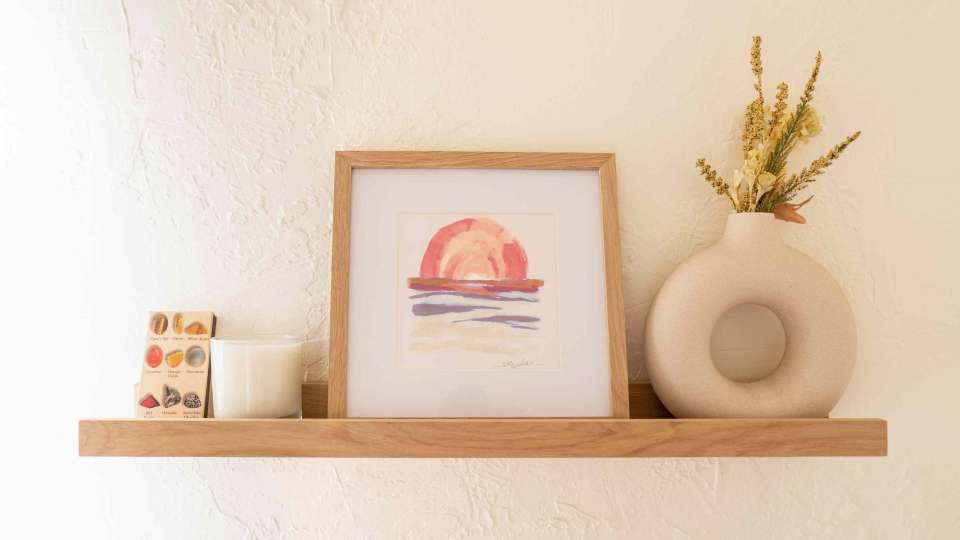
Store-bought floating shelves cost a lot of money. A good one can cost 50 dollars or more. You can build your own for half that price. Store-bought shelves are made in factories. They are often made from particle board and cheap materials. Your hand-built shelf is solid wood. It will outlast any store-bought shelf. Store-bought shelves come in standard sizes. Your shelf is made to fit your space perfectly. You choose the length, depth, and finish.
Building your own shelf gives you a sense of pride. Every time you walk past it, you will think, "I made that."
Making More Shelves
After you build one shelf, you will want to build more. You already have the tools. You know the steps. The second shelf goes much faster.
Build matching shelves for a whole wall. Three shelves spaced evenly apart looks professional.
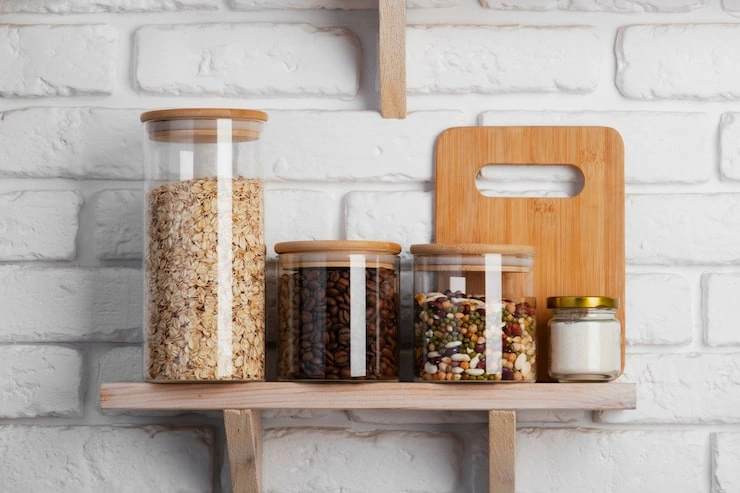
Build shelves for different rooms. A kitchen shelf holds spices and jars. A bathroom shelf holds towels and soap. A garage shelf holds tools and paint cans.
You can change the design. Use thicker wood for a heavier look. Use lighter wood for a delicate look. Add trim to the edges for a fancy look.
Final Thoughts
Building a floating shelf is not hard. It takes basic tools and a little patience. The steps are simple. Measure your wall. Find the studs. Build the frame. Build the shelf box. Sand and finish. Put it on the diy floating shelves for beginners.
I have built dozens of shelves over the years. Every one of them still hangs on the wall. None of them have fallen. My friends ask where I bought them. They are surprised when I say I made them myself.
You can do this too. Start this weekend. Go to the hardware store. Get your wood and tools. Follow these steps. By Sunday night, you will have a beautiful new shelf on your wall.
And when someone asks you where you bought it, you can tell them you built it yourself. That feels good.
FAQs
How much weight will this hold?
When you screw the frame into wall studs, your shelf holds 30 to 50 pounds. That is plenty for books and decorations. Do not put heavy tools or large pots on a standard shelf. If you need more strength, build a thicker frame and use heavier wood.
Do I have to use a stud finder?
Yes. I cannot say this enough. Drywall does not hold screws. The shelf will fall. You will be sad. Use the stud finder.
What if my wall has metal studs?
Some homes have metal studs instead of wood. You need special screws for metal studs. Ask for self-tapping screws at the hardware store. They cut their own threads in the metal.
Can I put the shelf on a brick or concrete wall?
Yes. You need masonry anchors instead of screws. The anchors spread out inside the hole and grip the brick or concrete. Use a hammer drill to make the holes.
How do I clean my shelf?
Wipe it with a dry cloth. If it is dusty, use a slightly damp cloth. Do not use harsh cleaners. They will damage the finish.
My shelf is crooked. Can I fix it?
Take everything off the shelf. Check the screws holding the frame. Tighten them. If the frame is still crooked, you need to remove the frame and start over.
What finish should I use?
This depends on your taste and the room. Stain gives a traditional look. Paint gives a modern look. Clear coat keeps the wood natural. Pick what you like best.
How long will my shelf last?
If you build it well and hang it correctly, your shelf will last for decades. I have shelves that are twenty years old and still look new.