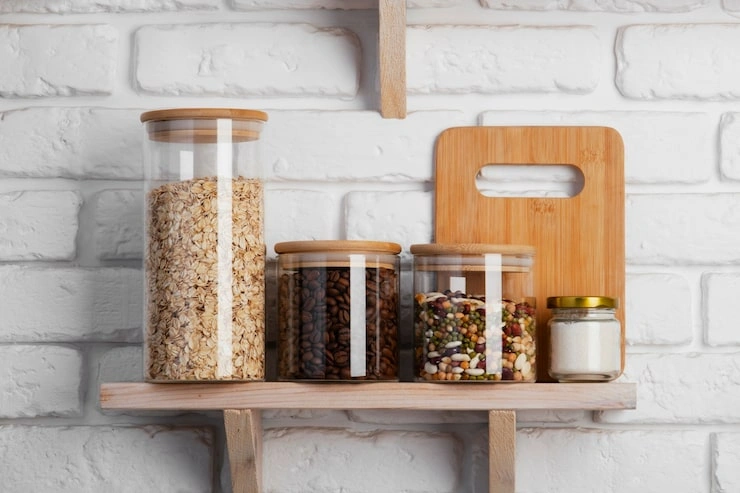
A messy pantry can make cooking harder. You buy pasta you already have. You cannot find the spice you need. You waste food because it gets lost in the back. The answer to this problem might be simpler than you think. You probably already have the tools to fix it. They are in your recycling bin right now.
Plastic containers that hold food can become your best pantry helpers. This guide shows you how to use them. You will save money and time. Your pantry will work better for repurpose plastic containers for pantry organization.
Why Reuse Plastic Containers for Your Pantry?
Pantry organization ideas often cost a lot of money. People buy expensive bins and baskets. But plastic containers from food you already buy work just as well . They come in many sizes and shapes. You can find a container for almost any pantry job.
You also help the planet. Many plastic containers end up in landfills. Reusing them keeps that from happening . You get a clean pantry and do something good for the world. This is a simple change that makes a big difference.
Read Also: Repurpose Wooden Pallets For Beginners
Check Your Containers First
Before you start, look at your containers carefully. Not all plastic is safe for food. Flip the container over and find the recycling number. The Washington State Department of Health says that if a clear, hard container has the number 7, it could have BPA . BPA is a chemical that might not be safe for food. Try to use containers with numbers 1, 2, 4, and 5. These are usually safer choices.
Look for BPA-free labels on the packaging. Some brands print this clearly. If you are not sure about a container, do not use it for food. Use it for non-food items instead.
How to Prepare Your Containers?
Cleaning the containers right makes them work better. Remove any paper labels first. Soak them in warm soapy water. The glue will get soft and you can scrub it off. Some glue is stubborn. A little cooking oil can help dissolve it.
Wash the containers in hot soapy water. Rinse them well. Let them dry completely before you fill them. Any leftover moisture can spoil dry food. You want the containers to be spotless and dry.
What to Put in Your Plastic Containers?
You can store many pantry items in plastic containers. Here are some ideas that work well.
Dry Grains and Pasta
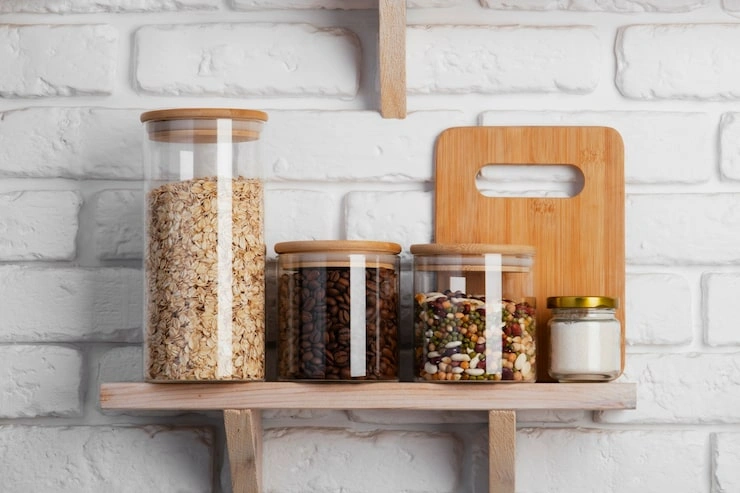
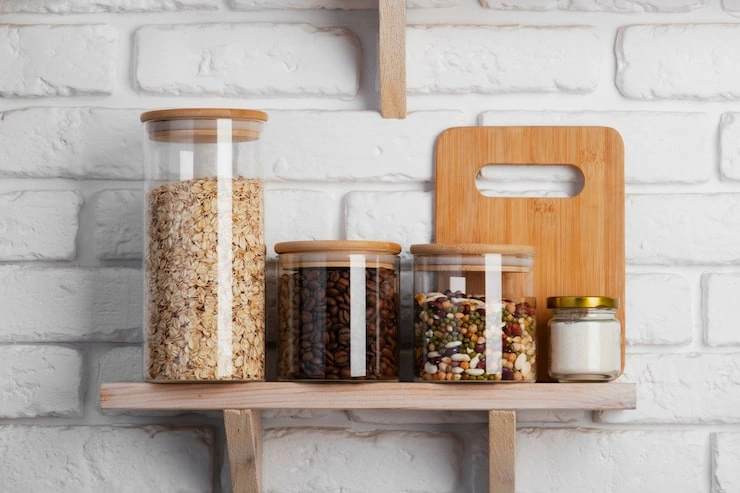
Open bags of pasta, rice, and beans often spill. They can attract bugs too. Plastic containers keep them safe and fresh . Pour the grains into the container. The container will keep pests out. You can see how much is left at a glance. This helps you know when to buy more.
Nuts and Seeds
Nuts and seeds go bad if they sit too long. Light and air make them turn rancid. Plastic containers with tight lids protect them . They stay fresh longer. You can see what you have easily.
Snacks and Packaged Foods
Individual snack packs get messy in the pantry. Plastic bins can hold them together . Granola bars, fruit snacks, and crackers stay in one spot. This makes lunch packing easier. Everyone in the family can find what they want.
Baking Supplies
Flour, sugar, and other baking items stay cleaner in containers. The bags often tear or leak. Plastic containers prevent this mess. You can stack them on shelves. You can see what you have before you start baking.
Spices and Seasonings
Small plastic containers are perfect for spice packets. You can organize them by type. Keep all your taco seasoning together. Put all your Italian herbs in one place. This saves time when you cook.
Sauces and Condiments
Round containers with high sides can hold bottles of sauce . Ketchup, mustard, and salad dressing fit well. You can put them on a turntable. This makes it easy to spin and grab what you need.
Types of Plastic Containers and Their Best Uses
Different containers work for different jobs. Here is what each type does well.
Salad and Produce Containers
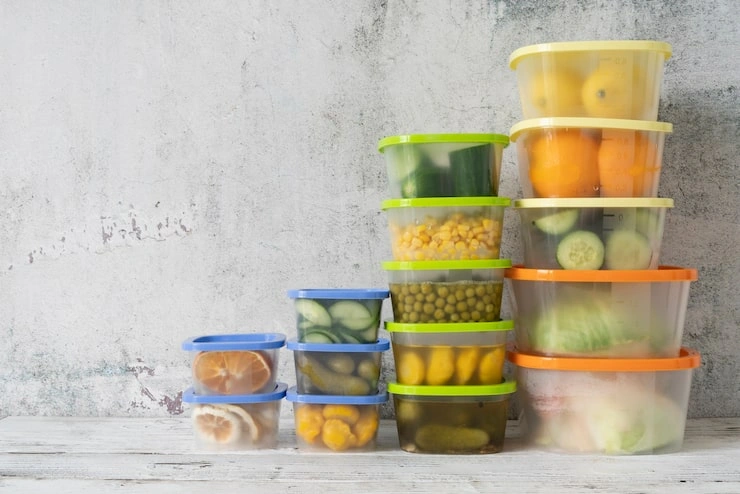
These are the clear boxes that hold lettuce and spinach. They are a smart, low-cost option . They are wide and shallow. You can see everything inside. They work great for snack packs and small items.
You can also cut the lids off. This turns them into open bins. You can reach things faster. But keep in mind that these containers are flimsy . Lift them from the bottom. Do not carry them by the sides or they can break.
Berry Containers
These are the plastic clamshells that hold strawberries or blueberries. They have small holes for air. This makes them good for the fridge. You can store eggs or small jars in them . The airflow helps keep things fresh.
The holes are also useful if you are storing produce. But they are not good for dry pantry items. The food can fall out through the holes. Use these for the fridge, not the pantry.
Takeout Containers
Thicker plastic takeout containers work well in the pantry. They often have tight lids. They come in many sizes. You can store leftovers or organize small items. Check that they are sturdy before you use them. Thin ones can repurpose plastic containers for pantry organization.
Large Detergent and Food Containers
Big plastic tubs from bulk foods or detergents can be huge. Wash them carefully. Use them for pet food or large bags of rice. Make sure they are very clean before you put food in them.
Clear Plastic Jars
Jars from peanut butter or pickles are excellent for storage. They are thick and strong. They have tight lids. You can see what is inside. They are great for flour, sugar, and pasta. Just remove the label first.
Organizing Your Pantry with Plastic Containers
Use Containers to Group Similar Items
Grouping food together saves time. Put all your pasta in one container. Put all your baking items in another. Keep all your snacks together. This makes it easier to find things. You also can see what you have. This stops you from buying duplicates.
Use Shallow Containers for Deep Shelves
Deep shelves are hard to organize. Things get lost in the back. Clear plastic boxes make this easier . You can pull the whole box out. You can see everything at once. You will use more of what you buy.
Label Everything
Labels keep your pantry organized . Write what is in each container. You can use tape and a marker. Label makers work too. When everyone knows where things go, it stays tidy. This is an important step. It stops the mess from coming back.
Keep Heavy Items on the Floor
Heavy things can hurt your shelves. Large bottles of water or juice are heavy. Put them on the floor . Save your shelves for smaller items. Your shelves will last longer. Your pantry will be safer too.
Use Containers as Drawer Dividers
You can cut the lids off fruit containers. Put them in your drawers. They become dividers . You can sort things easily. Keep food clips in one. Put zip-top bags in another. This keeps drawers neat..
You May Also Like: How to Repurpose Candle Jars Safely and Creatively
Where to Put Your Organized Containers?
Think about where you put things. You want it to be easy. Put everyday items at eye level. Put things you use less on higher shelves. Keep kids' snacks low so they can reach them.
You can use a turntable for containers on a shelf. This is great for sauces and small bottles . You spin the turntable to reach everything. It saves space and time.
What Not to Store in Plastic Containers?
Some things are not good for plastic. Do not put unwrapped food directly in salad containers. The plastic can get into the food . This is not safe. Use glass jars for flour and sugar. Or use plastic containers marked BPA-free.
Do not store hot food in plastic containers. Heat can make chemicals leak into food. Wait for food to cool down first. Do not microwave food in old takeout containers. They are not made for heat.
Also, do not store cleaning supplies near food containers . Keep them under the sink. This keeps your food safe. It is better for your family.
How to Keep Your Pantry Organized?
Clean Out Expired Food First
Start fresh. Throw away anything that is expired . Cans and boxes can sit for years. They take up space. Get rid of them. This makes room for your organized containers.
Categorize Your Food
Think about what you buy most. Organize by type . Put vegetables together. Put baking items together. Put snacks together. This helps you shop. You can see what you are out of.
Check Your Work Every Few Months
Pantries get messy over time. Check your containers every few months. Make sure the lids are on tight. Look for any food that has spilled. Clean up any messes. This keeps the system working. Your pantry will stay organized for good.
A Final Word
You do not need expensive bins to organize your pantry. The plastic containers you already have can do the job. They save you money. They help the planet. They make your daily life easier.
Start small. Pick one shelf and organize it. Use a few containers you already have. See how good it feels. Then do the next shelf. Before you know it, your whole pantry will be tidy. You will find what you need in seconds. You will stop buying food you already have. This simple change can make cooking much more enjoyable.