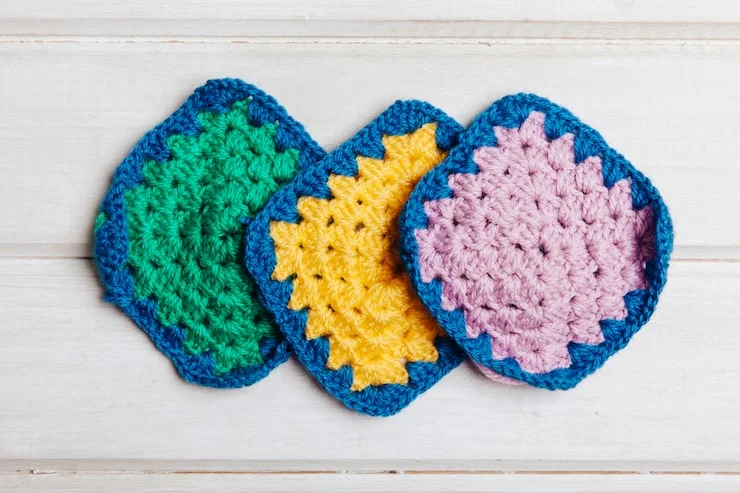
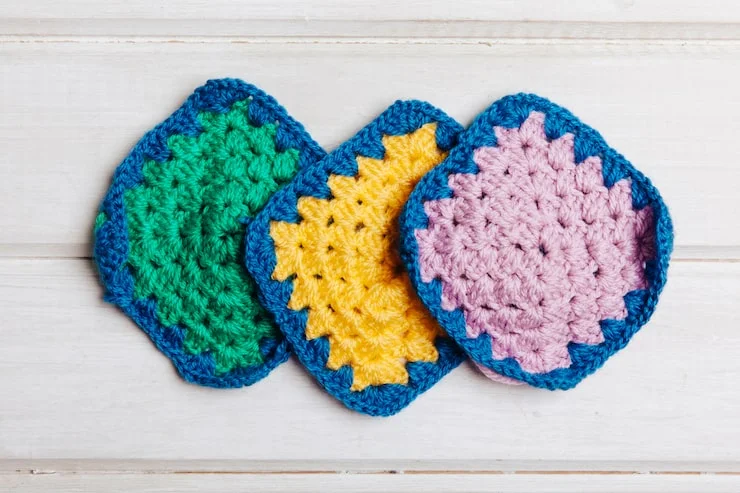
Modern granny square crochet patterns are updated versions of the classic square motif, using new color combinations, unusual stitch textures, and fresh construction methods. Unlike traditional granny squares that rely on repeated three-double-crochet clusters, modern patterns incorporate overlay crochet, mosaic work, floral centers, geometric designs, and mixed stitch heights. The result is a square that still works up quickly but looks nothing like your grandmother's blanket.
The granny square remains one of the most popular crochet forms worldwide. Claire Montgomerie's "Granny Square Card Deck" series has sold over 400,000 copies, a clear sign that crafters keep coming back to this format. What has changed is how people use it. Today's crocheters want squares that fit contemporary home decor, wearable fashion, and accessories that don't scream "vintage craft fair."
Why Modern Granny Squares Are Different?
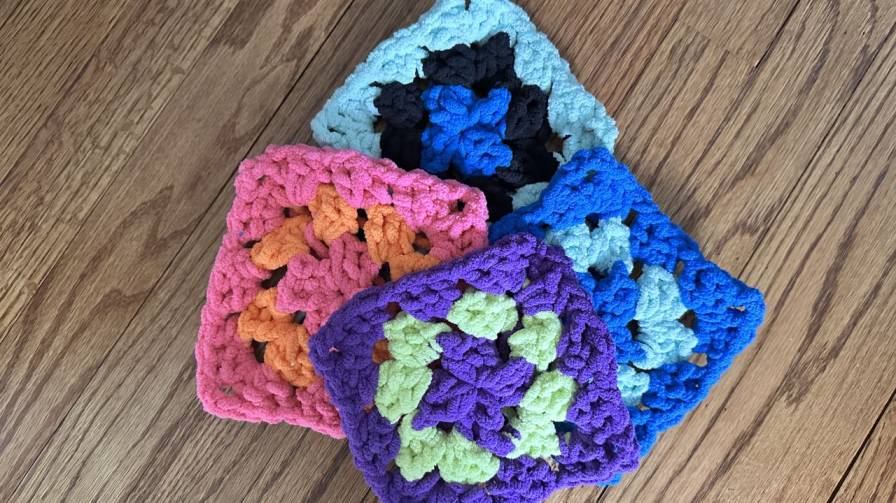
The classic granny square follows a simple formula: chain a few, join in a ring, work clusters of double crochet separated by chain spaces, turn, repeat. It's fast and forgiving. But it also produces a distinct look that limits what you can make with it.
Modern patterns break that formula in several ways. Some replace double crochet clusters with single crochet, half-double crochet, or taller stitches to create denser or more open fabrics. Others use color changes within a single round rather than waiting until the end of a round, which produces sharp graphic effects. A third approach changes the shape itself, working squares in the round but starting from a flower, a star, or a mandala center rather than a basic ring.
The shift matters for practical reasons. A square with varied stitch heights drapes differently than a standard granny square. A denser square works better for garments that need structure. An open, lacy square suits lightweight shawls and summer tops. By choosing the right construction, you control how the finished piece behaves, not just how it looks.
Read Also: Modern Knitting Patterns For Women
Popular Modern Styles You Can Try
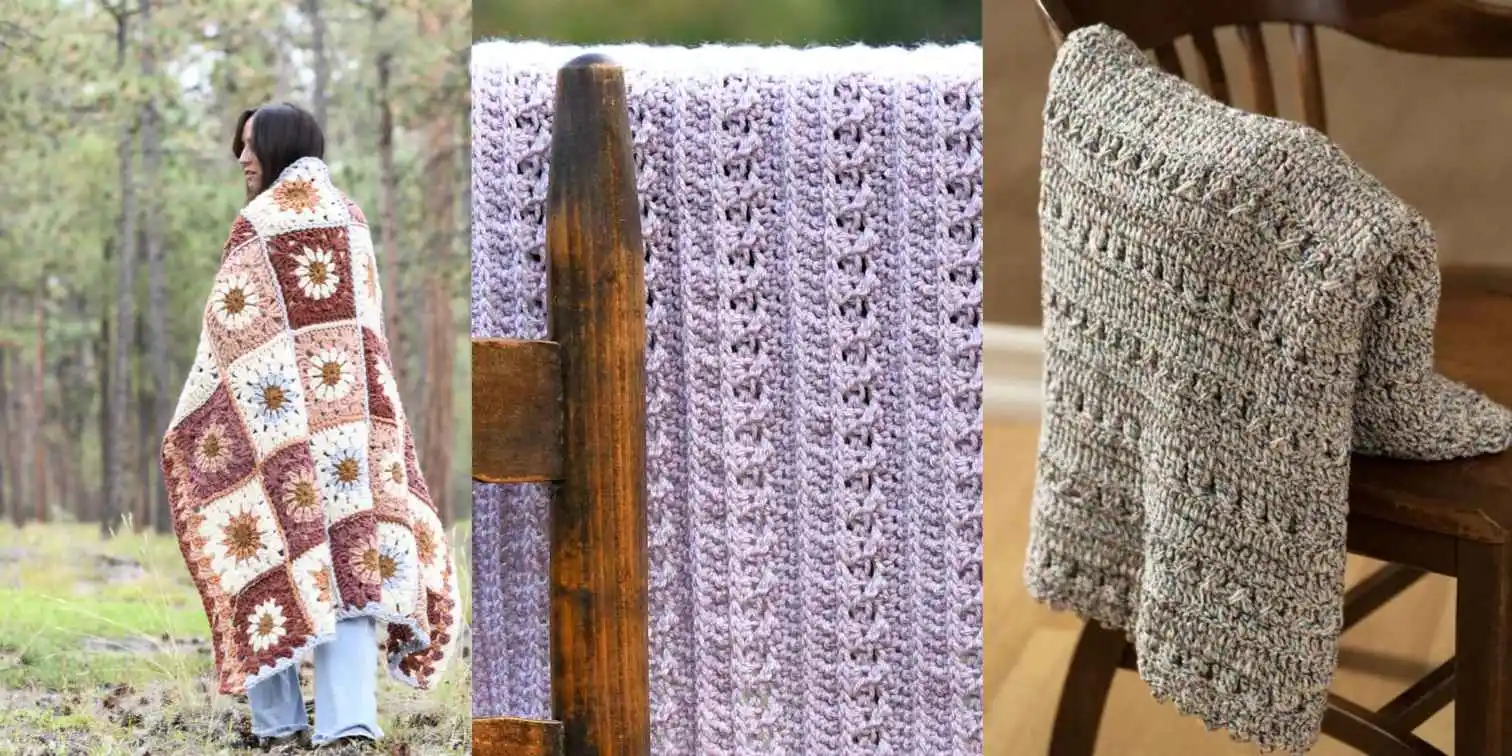
Floral center squares. These start with a flower motif in the middle, then build outward into a square shape. Rose squares, daisy squares, and sunflower squares are common variations. The flower center gives the finished project a focal point, and you can use scrap yarn for the petals to keep costs down.
Overlay crochet squares. Overlay crochet uses front-post and back-post stitches to create raised textures that sit on top of the base fabric. The result looks almost like embroidery or tapestry work, but it's all crochet. These squares take more attention than a basic granny square, so they suit intermediate crocheters who want a challenge.
Mosaic squares. Mosaic crochet alternates two colors, working one color per row and using slip stitches to create geometric patterns. Mosaic granny squares produce crisp, modern designs that work well for pillows, bags, and wall hangings. The technique is simple once you understand the color sequence.
Geometric and graphic squares. Instead of organic florals, these patterns use triangles, chevrons, stripes, or color-block sections to build the square. They appeal to crocheters who prefer clean lines over traditional crochet motifs.
Textured solid squares. Some modern patterns skip color entirely and focus on stitch texture. Bobbles, popcorn stitches, front-post cables, and raised ridges create interest without needing multiple yarn colors. These squares work well for men's accessories, modern throws, and minimalist home goods.
Choosing Yarn for Modern Granny Squares
Yarn choice changes everything about how a modern granny square looks and behaves. The classic granny square was designed for worsted weight acrylic, and that still works. But modern patterns often call for different fibers and weights to achieve specific effects.
Cotton yarn gives crisp stitch definition, which matters for mosaic and overlay patterns where the texture is the point. Cotton also holds its shape well, making it a good choice for squares that will become bags, coasters, or wearables. Mercerized cotton adds a slight sheen that dresses up floral and geometric designs.
Wool and wool blends offer warmth and elasticity. They work well for blankets and garments that need to stretch and recover. Superwash wool is easier to care for, which matters if the finished project will be washed often.
Acrylic remains the most affordable option and is widely available. Modern acrylic yarns come in a much wider color range than they did twenty years ago, so you're not limited to basic primary colors. Acrylic also holds up well to repeated washing, which makes it practical for blankets and baby items.
For a modern look, consider using a single yarn weight throughout but varying the color placement. Self-striping yarn can create interesting effects in granny squares without requiring you to change colors manually. Gradient yarns produce a gradual shift from one color to another across multiple squares.
Tools That Make Modern Squares Easier
A few tools beyond your hook can make working modern granny squares more enjoyable.
Stitch markers. Modern patterns often have irregular round endings or unusual stitch placements. Stitch markers help you keep track of where each round begins and ends, especially when you're working with multiple colors or complex stitch patterns.
Blocking mats. Blocking is the step that transforms a slightly wonky square into a crisp, even one. Foam blocking mats with grid lines let you pin squares to exact dimensions. For cotton and wool squares, blocking also opens up lace patterns and evens out tension variations.
Tapestry needles. You'll need one for weaving in ends. Modern patterns often have more ends to weave than traditional granny squares because color changes happen more frequently. A blunt-tip tapestry needle works best for most yarn weights.
A good pair of scissors. This sounds obvious, but sharp, small scissors make color changes faster and cleaner. Keeping a dedicated pair in your project bag means you're not hunting for scissors every time you need to cut yarn.
How to Use Modern Granny Squares in Projects?
The square format is flexible. Once you have a stack of squares, you can join them in several ways to create different finished items.
Join-as-you-go for blankets. This method connects squares as you complete the final round of each one, eliminating the seaming step entirely. It's faster than sewing squares together afterward, and it produces a flat, flexible join that drapes well. The join-as-you-go method works with most square patterns, though very textured squares may need a simpler joining technique.
Seamed joins for structured pieces. When you want a firmer join that holds its shape, seaming with a tapestry needle and matching yarn gives you more control. This works well for bags, cardigans, and anything that needs to bear weight.
Mixed-size layouts. Modern patterns sometimes combine squares of different sizes in a single project. A large central square surrounded by smaller squares creates a medallion effect. This approach works well for wall hangings, pillow covers, and statement blankets.
Garments and wearables. Granny square cardigans, vests, and tops have moved from retro novelty to mainstream fashion. The key is choosing a square size and join method that gives the garment the drape you want. Smaller squares with tighter joins create a denser fabric; larger squares with flexible joins produce a softer, more flowing garment.
Accessories. Bags, pouches, coasters, and headbands are quick projects that use just a few squares. These are good ways to test a new pattern before committing to a large project.
You May Also Like: Tunisian Crochet: Can You Use A Tsusan Crochet Hook With Cable?
Common Mistakes and How to Avoid Them
Uneven tension. Granny squares are forgiving, but modern patterns with varied stitch heights expose tension inconsistencies more than traditional patterns do. Practice the stitch pattern on a single square before starting a large project. If your first square is noticeably tighter or looser than the pattern suggests, adjust your hook size.
Wrong hook size for the yarn. Every yarn label suggests a hook size, but that's a starting point, not a rule. Modern granny square patterns often specify a hook size that produces a specific gauge. If you're substituting yarn, work a gauge swatch. A square that comes out too small or too large will affect how many you need for the finished project and how the joins line up.
Skipping the blocking step. Unblocked squares can look lumpy or uneven. Blocking evens out stitch heights, opens lace patterns, and makes squares lie flat. For cotton and wool, wet blocking works well. For acrylic, steam blocking is usually more effective. Either way, blocking is not optional if you want professional-looking results.
Not weaving in ends securely. Modern patterns with frequent color changes produce more ends. If you weave them in loosely, they'll work their way out after washing. Weave each end back through several stitches in multiple directions, then trim close to the fabric.
Joining squares with the wrong method. A seamed join that's too tight will pucker the fabric. A join that's too loose will create gaps. Match the joining method to the project. Blankets that need to drape benefit from join-as-you-go or a flexible seamed join. Bags and structured items need firmer seams.
How Many Squares Do You Need?
The number of squares depends on the finished size you want and the size of each square. A standard granny square worked in worsted weight yarn with a 5mm hook typically measures about 4 to 5 inches across after blocking. That gives you a simple formula: finished width divided by square width equals the number of squares across, and the same for height.
For a throw blanket 48 inches wide and 60 inches long using 5-inch squares, you need roughly 10 squares across and 12 squares down, or 120 squares total. That's a lot of squares, which is why many modern patterns use larger squares or combine squares with solid fabric sections to reduce the count.
For a cardigan or vest, the number depends on the pattern's construction. Some patterns use squares for the body and solid crochet for the sleeves. Others are entirely squares. Follow the pattern's square count rather than trying to calculate it yourself unless you're designing your own layout.
For accessories like bags and coasters, you might need only four to twelve squares. These smaller projects are good starting points if you're new to modern granny square patterns.
Joining Methods That Work for Modern Squares
Single crochet join. This creates a visible ridge on one side of the fabric. Work single crochet through both squares' edge stitches, keeping tension even. The ridge adds a decorative element if you use a contrasting color.
Slip stitch join. Flatter than single crochet, slip stitch joining produces a subtle seam. It's faster than seaming with a needle and works well when you want the squares to blend together.
Mattress stitch seaming. This needle method creates an almost invisible join. It takes longer than crochet joins, but the result is a smooth, flat fabric with no ridge. Mattress stitch works best for garments where you want the squares to look like a single piece of fabric.
Join-as-you-go. This method attaches each new square to the previous one as you work the final round. It's efficient and produces a flexible join. The technique varies depending on the square pattern, so check the pattern instructions for the specific join-as-you-go method it uses.
Modern Granny Square Patterns for Different Skill Levels
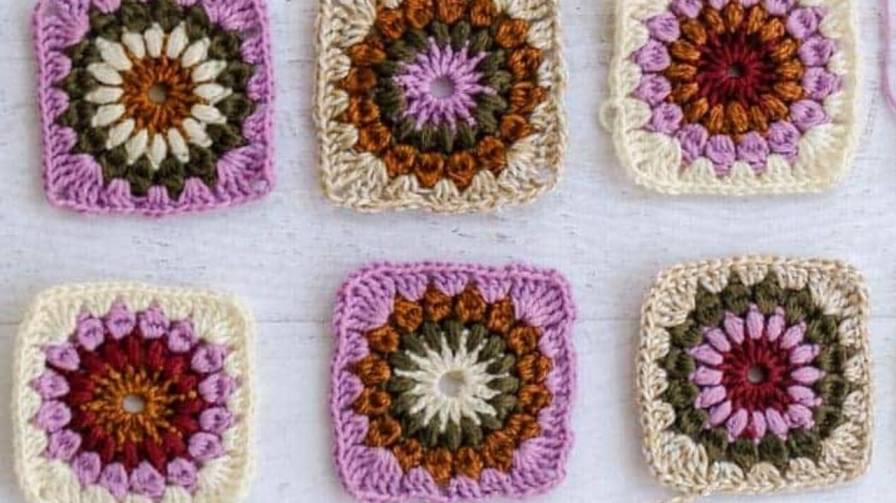
Beginner-friendly modern patterns. Look for patterns labeled "easy" or "beginner" that use a single stitch height throughout. Many modern color-block squares fall into this category. You change colors between rounds, but the stitch pattern stays consistent, so you're not learning new techniques while also managing color changes.
Intermediate patterns. Floral squares with layered petals, mosaic patterns, and simple overlay designs fit here. These patterns introduce new stitch combinations and require you to pay closer attention to round endings and color sequences.
Advanced patterns. Complex overlay crochet, three-dimensional textured squares, and patterns with irregular shaping belong in this category. These take longer to work and demand consistent tension. The results are often striking enough to be the focal point of a project.
Caring for Finished Projects
Washing instructions depend on the fiber you used. Cotton and acrylic squares can usually be machine washed on a gentle cycle and dried flat. Wool requires hand washing or a wool cycle with cold water, then drying flat away from direct heat.
Always test a single square before washing the entire project. Some yarns bleed color, especially saturated reds, blues, and blacks. If color bleeding is a concern, wash squares separately or use color-catching sheets in the wash.
Store finished blankets and garments folded rather than hung. Granny square fabric can stretch under its own weight if hung for long periods. For long-term storage, use a breathable cotton bag rather than plastic, which can trap moisture and cause mildew.
Frequently Asked Questions
How long does it take to make a modern granny square?
A simple square in worsted weight yarn takes about 20 to 30 minutes. Complex overlay or mosaic squares can take an hour or more. The time depends on the pattern complexity and your familiarity with the stitches.
Can I mix modern and traditional granny squares in one project?
Yes. Mixing square styles can create an interesting texture and visual effect. Just make sure the squares are the same finished size, or adjust the layout to account for different sizes.
What's the best yarn for a modern granny square blanket?
Cotton and cotton blends work well because they're durable and hold their shape. Acrylic is affordable and easy to care for. Wool is warm but requires more careful washing.
Do I need to block every square?
Blocking improves the finished look, especially for squares with texture or lace. If you're short on time, you can block the finished project after joining. But blocking individual squares before joining usually gives better results because you can ensure each square is the correct size.
How do I keep my squares the same size?
Check your gauge on the first square. If it matches the pattern's suggested size, continue with the same hook and yarn. If it's off, change your hook size and make another test square. Consistent tension across all squares matters more than matching the pattern's gauge exactly, since you're making all the squares yourself.
Can I use scrap yarn for modern granny squares?
Absolutely. Modern patterns often look better with varied colors than with a single solid color. Just keep the yarn weight consistent across squares so the finished fabric has even thickness.